
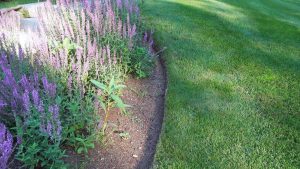
 Lawn moss and weed killer is necessary to purchase for any homeowner who wants to keep their lawn looking tidy. However, with so many products on the market, it can be difficult to know which one is right for you.
In this article, we will provide tips on how to choose the best lawn moss and weed killer for your needs, as well as reviews of some of the most popular products on the market.
Best lawn moss and weed killer: Comparison Table
| Image | Product | ||
|---|---|---|---|
Best Choice  | Aftercut All In One
| Check Price | |
Ergonomic Fit  | Maxicrop Moss Killer
| Check Price | |
Also great  | Pro-Kleen 2.5 KG PREMIUM Iron Sulphate
| Check Price | |
Best Value  | Miracle-Gro 100005 EverGreen
| Check Price | |
Eco-friendly  | Plantworks Ltd Empathy
| Check Price |
Lawn weed killer application
Selective weed killers or herbicides are used to control weeds on the lawn without harming the grass. Many of these products will contain more than one ingredient, this is so they cover a broader spectrum of weeds, as no single ingredient will kill all types and species of weeds found in the lawn. Common ingredients used in weed killers include 2,4-D, dicamba, mecoprop -p, clopyralid, and MCPA.
A lawn weed killer may have different modes of action. At least one of the ingredients will be foliage applied translocated herbicide, which affects the growth pattern of the weed. Selective weed killers are taken in the plant, mainly the leaves and sometimes the roots. The chemical travels through the entire weed.
When a selective weed killer has been applied a twisting effect of the leaves and distorted growth can be witnessed. However, it can take up to 6 weeks for the weed to die completely.
A word of warning: Do not confuse total weed killers with selective weed killers. A total weed killer will kill everything, including the grass and are not to be used on a lawn.
Lawn weed killer formulations
A lawn weed killer is available as both liquid and granular products. Granular weed killers are mostly incorporated with a fertiliser (weed and feed), while liquids are not, although there are a few exceptions to this.
Getting the best results from a lawn weed killer
Like most products used on the lawn, they are only effective if they are used correctly and weed killers are no different. Several tips can help you obtain optimum results when using a weed killer on your lawn. The following advice is primarily for a liquid weed killer that is to be applied through a sprayer. We believe this is the most effective way of controlling weeds on the lawn.
- Selective weed killers work best when the weeds are growing strongly, usually between April and September. In a typical British summer, the ideal time for treating weeds is usually May or June. This is when growth is at its strongest.
- Applying a nitrogen-based fertiliser (to encourage strong growth) shortly before you treat the weeds will also help increase the effectiveness of the weed-killer product. This technique is often used by turf care professionals.
- If you are using a feed and weed product there is no need to apply fertiliser before treatment as these products already contain fertiliser.
- When carrying out weed control, don’t mow the lawn at least 3 days before and 3 days following the treatment. Leaving the lawn for 3 days allows the weed to develop a large leaf area. This allows more chemicals to stick to the leaf and be absorbed into the plant, thus improving the effectiveness of the lawn weed killer.
- Leaving the lawn for a further 3 days improves the uptake of the chemicals as it allows them to travel through the whole of the plant and down to the roots.
- Spray during suitable weather and ground conditions. Choose a dry day that is relatively still to avoid the chemical drifting onto non-target plants. It is also important that there is no rain forecast as this can wash the chemical off the leaves of the weeds and reduce the effectiveness of the weed killer.
- It is also important to spray when the leaves of the weeds are dry. This will help reduce runoff and the chemical has a better chance of sticking to the leaves of the weeds.
- Remember clippings from the first 2 of 3 mowings following application may contain traces of chemicals and should not be used for composting.
- Avoid treating weeds during drought conditions and frosty conditions.
- In many cases, weeds may only be causing problems on localised parts of the lawn. If this is the case spot treat or only spray where the weeds are growing. This helps prevent unnecessary chemical wastage and is better for the environment. Small hand-help weed guns are available for this type of treatment.
How to kill moss on my lawn?
Using weed killers
The most common way to get rid of moss is by using a weed killer. There are many different types of weed killers available on the market, and it can be difficult to choose the right one. In this article, we’ll recommend some of the best weed killers for killing moss.

Weed killers work by killing the moss and any other plants that are growing in your lawn. Some weed killers are more effective than others, so it’s important to choose the right one.
Should I scarify and rake before using wee?
The usual advice is to scarify or rake your lawn before applying a moss killer to prevent the moss from spreading; in theory, this prevents it from growing. Moss is frequently well-rooted in the grass, and an application of moss killer on an unclarified lawn simply does not enter into the ground, it merely kills the surface of the moss.
Therefore it is better to rake with a metal spring tine lawn rake or use a mechanical lawn scarifier before moss killer application; then again when moss has been killed. Using a rake is good exercise, but hard work. For larger areas, it may be better to hire or buy a mechanical one.
Using your lawnmower
Another way to get rid of moss is by using a lawnmower. Lawnmowers work by cutting the moss and any other plants that are growing on your lawn. This can be an effective way to get rid of moss, but it’s important to make sure that you cut the moss evenly. Otherwise, you may end up damaging your lawn.
Salt Solution
If you’re looking for a more environmentally-friendly way to get rid of moss, consider using a salt solution. A salt solution is made by dissolving salt in water. When applied to the lawn, it will kill the moss and any other plants that are growing on your lawn.
The downside of using a salt solution is that it can be harmful to your lawn. It’s important to use caution when applying a salt solution and to make sure that you don’t apply too much.
In addition to using a weed killer or a lawnmower, there are several other things you can do to prevent moss from growing on your lawn. One of the best ways to prevent moss is by aerating your lawn regularly. Aerating your lawn will help improve drainage and will allow air and sunlight to reach the soil.
Watering your lawn
Another way to prevent moss is by watering your lawn properly. Make sure that you water your lawn deeply enough so that the moisture reaches the roots of the grass. If you water your lawn too often, you’ll encourage moss to grow.

You can also prevent moss by using fertilizer. A good fertilizer will help improve the health of your lawn and will discourage moss from growing.
What should I choose: liquid or granular moss killer?
Killing moss with chemicals is not a straightforward procedure. There are various options to choose from, either liquid or granular moss killer.
The first question you need to answer is whether you want to kill moss in the entire lawn or just in targeted areas. If your goal is killing moss throughout the entire lawn, then you have only one option, which is to use granular moss killer.
If the objective is killing moss only in certain areas of your lawn, then you can choose either liquid or granular moss killer.
Now that you have decided on using either type of moss destroyer, let us look at how each one works and what are their pros and cons.
But *Spoiler* liquid versions work better.
Granular Moss Killer – How does it work?
Granular moss killers contain different components depending on the brand chosen. Some common ingredients found in these products are iron-based chemicals (ferrous sulphate), ammonium sulphate, urea peroxide, potassium nitrate etc.

Over time they react with water to change into a form that won’t support life, killing moss. If you want to kill moss throughout your lawn, I would recommend using a product that contains ferrous sulphate as the main ingredient as it is less harmful to other plants and grasses in contrast with some of the alternatives.
This granular moss killer works best when it comes into contact with rain or irrigation water because this is what makes them react and change into a form that won’t support life. That is why during dry months it takes longer for these products to show signs of successful moss control.
In my experience, I have been most effective when applying this type of moss killer on bright, sunny days. Water will evaporate more quickly from the surface of your lawn which enhances the absorption capacity of your grass so the product is more likely to be taken in by the roots of your grass. Unfortunately, in many regions, these conditions are very rare in spring and fall when applying moss control products.
Therefore if you have a large area with mossy spots to treat, I suggest you plan and apply granular moss killer when weather conditions are favourable so you can get maximum results. If it rains after application, the chemical reaction will happen regardless of whether or not it’s sunny or cloudy.
A few tips on granular moss killers:
- Be sure to follow all label instructions for use carefully otherwise, it may damage other plants in addition to killing moss.
- Granule sizes vary depending on the type of material used for products ranging from 1-3 millimetres.
- This type of moss destroyer works best on a sunny day. It can be applied during cloudy days but is less effective.
- If moss is very thick, I recommend using a garden rake to scratch the surface of your lawn before applying granular moss killer as this will greatly enhance absorption into the roots of your grass allowing for faster results that could otherwise take weeks or even months if left untreated.
- Avoid watering after application until it has dried up completely (usually 24 hours) to avoid washing away the product and not doing anything to kill moss. – Expect 1 to 3 months after application before seeing significant results.
- Be sure not to apply during frosty weather conditions as products won’t take effect until the temperature rises again.
- Granular moss killer is safe for use around children and pets, however, I do recommend applying when they are not playing out in the yard as it does have a strong odour that lingers on grasses for a few days after application.
- It’s also important to note that this product can stain concrete surfaces where granules may fall or escape during application so be careful with it near driveways, decks etc. Never apply any type of moss destroyer near play areas where children spend time outdoors as those products do not pet-friendly and will burn your dog if ingested.
Pros:
- You will see results within a few weeks or months depending on how thick the initial moss problem was.
- No need for scrubbing after application as the product will soak into grasses and kill moss from the inside out.
- Very safe for children, pets and other plants on your lawn as it is an iron-based chemical that won’t support life, unlike organic salts.
Cons:
- It takes longer to see results during dry months as water needs to be added before they can start killing moss (which rarely happens during winter). Despite taking a week or two to see real results, I found this type of moss killer too slow and tedious to use on larger areas with stubborn patches of moss growth.
- Even though you do not need any tools for application such as a pressurized tank or spreader, granules cannot reach very far under tree roots which means moss may often regrow if untreated.
- It takes a very long time to see results even after you stop watering days or weeks after application so be prepared to wait for months if your spot is large.
- There are only certain brands that are safe for use during dry weather conditions so it can be harder to find the right product that will work for your type of mossy area (if you’re looking at one with a “dry weather” label, then yes it’s suitable).
Depending on how old and thick your moss problem is, expect several treatments before seeing significant results; you probably won’t get rid of all the patches in just 1 application.
Liquid Moss Killer – How does it work?
There are many liquid moss killers on the market so it can get confusing when trying to pick one. Generally, this type of moss killer uses organic salts derived from natural plant extracts mixed with effective herbicides for faster penetration into leaf surfaces. Unlike granules that require constant watering after application, liquid moss killers take effect immediately upon contact or once absorbed into moist foliage depending on the formulation.
Liquid Moss Killer vs Granular Moss Killer – Which is Better?
Liquid moss killers offer much better penetration onto thick patches of stubborn moss growth because, unlike granules that cannot penetrate deep enough under soil mats or tree roots, liquid herbicides can reach deep down where light cannot reach. This means you will see results within days instead of weeks or months.
- Liquid moss killers are faster and more effective than granular alternatives because they can reach further down under the soil where moss “thrums” spread. – Liquid herbicides are also very versatile in killing moss since you can mix them with water to create a powerful concentrate that allows you to apply on really stubborn patches of moss growth without having to buy multiple bottles of product for different applications.
- Unlike granule solutions that need constant watering after application, liquid killer products absorb into leaf surfaces immediately upon contact so there’s no need for extra watering.
- Since liquid products are applied directly onto affected areas or sprinkled around spots with visible signs of moss infestation, they will not harm surrounding grasses or affect other plants on your lawn when used correctly.
Since liquid herbicides penetrate deep into leaf surfaces, they leave behind a lasting effect as long as it doesn’t get washed away by too much rainfall/irrigation afterwards. This means your lawn will require less maintenance in the future as long as you apply it periodically to prevent regrowth from advancing further into your grasses.
I find that liquid products tend to cause more damage if not diluted enough before application because their strength can burn surrounding plants and other parts of your lawn if used at full concentration. Many manufacturers recommend the use of a spray bottle for this purpose.
Liquid products might require more persistent applications if your moss problem is really bad; repeated treatments are often needed before seeing significant results even after you stop watering the spot days or weeks after application.
Any chemical product may take much longer to work when applied during rainfall/irrigation so make sure you apply it on a dry day and wait until the next morning for good results. Also, don’t forget to wear protective gear like rubber boots and gloves when handling such chemicals since these products can cause skin irritation and/or burns which will take time to heal. If exposed, rinse the affected area with lots of water immediately and seek medical attention if necessary.
Best lawn feed weed and moss killer Reviews
Pro-Kleen 2.5 KG PREMIUM Iron Sulphate: Best feed and moss killer
Looking for a long-lasting fertiliser that’s pet friendly? Look no further than Pro-Kleen 2.5 kg PREMIUM Iron Sulphate Fertiliser! This great product can help to kill moss and prevent lawn disease in an area of up to 2500 sq metres. Plus, it’s safe for your furry friends to be around!

We’re not sure what kind of sadistic mind came up with the instructions for using this product but suffice it to say they left a lot to be desired. Let’s just say, if you’re looking for a fertilizer that’s easy to work with, this isn’t it! It’s so fine and dusty, that you’d be wise to avoid opening it in a breeze. But all that hard work is worth it because this premium iron sulphate fertilizer packs a punch!
Pros:
- Long-lasting fertiliser
- Pet friendly
- Great for killing moss
Coverage of 2.5 kg - Helps to prevent lawn disease approx 2500 sq metres
Cons:
- Too fine and dusty. Don’t open in a breeze!
- The instructions for use were minimal
- We do not sure it can control moss
Aftercut 20400459 All In One Lawn Feed, Weed and Moss Killer
Looking to achieve a lush, green lawn without all of the hassles? Look no further than Aftercut 20400459 All In One Lawn Feed, Weed and Moss Killer. This triple-action formula will not only green up your lawn but also control common weeds and moss. Plus, it’s effective against 12 different types of weed including dandelions, clovers, buttercups, and more! The pack covers 80 square meters, so you can get the job done quickly and easily.

Plus, it’s pet and child-friendly so you can rest assured knowing your furry friends and little ones are safe. However, do be careful when using this product – it contains sensitizing substances that may cause an allergic reaction. So always read the label and product information before use.
Pros:
- The triple-action formula will green up the lawn whilst controlling common weeds and moss
- Effective against 12 types of weeds
- The pack will cover 80 m2
Cons:
- Pets and children are friendly but you should wait 2-3 days
- Hard work to sprinkle
- Causes serious eye irritation
- Contains sensitizing substances
Maxicrop 86600259 Moss Killer & Lawn Tonic – Top Solution For The Lawn
This product is an excellent 2-in-1 solution for anyone looking to improve the health and appearance of their lawn. Not only does it provide fast-acting moss removal, blackening moss within a matter of hours, but it also promotes rapid regrowth and greening thanks to its natural seaweed base with added Ferrous Sulphate & Nitrogen.

One of the standout features of this product is its ease of use. The concentrated formula is ideal for treating large areas of your lawn, making it a cost-effective and efficient solution for lawn care. Simply mix the concentrate with water and apply it to your lawn with a watering can or sprayer.
In addition to its moss-killing properties, the Maxicrop also helps to improve lawn health and strong rooting. This means that not only will your lawn look better, but it will also be healthier and more resistant to damage.
My experience
The moss on my lawn turned black and was easier to remove, while the grass grew greener and stronger. The natural seaweed base with added Ferrous Sulphate & Nitrogen in the Maxicrop 86600259 Moss Killer & Lawn Tonic helped to improve the health and rooting of my lawn, making it more resistant to damage. I was pleased to see that the product had lived up to its claims, even with the minor issue of the damaged spout.
Despite the initial mess, the Maxicrop 86600259 Moss Killer & Lawn Tonic proved to be an efficient and effective solution for my lawn care needs. I would recommend this product to anyone looking for a fast-acting and natural solution for moss removal and lawn care. While it’s unfortunate that the product arrived damaged, I’m pleased to say that it did not impact the quality of the product, and I am looking forward to seeing continued improvements in the health and appearance of my lawn with future applications.
Pros:
- Fast-acting moss killer that blackens moss within hours
- Natural seaweed base with added Ferrous Sulphate & Nitrogen promotes rapid regrowth and greening
- Concentrate formula ideal for treating large areas of lawn
- Helps to improve lawn health and strong rooting
- Easy to use and apply
- Can be used all year round
Cons:
- The spout of the container may be prone to damage during shipping
- The strong smell of the product may be unpleasant to some users
- It may take several applications to eliminate stubborn moss infestations
- The product may not be suitable for use on all types of grass or lawns
Overall, if you’re looking for a convenient and effective solution for moss removal and lawn care, the Maxicrop is an excellent choice. Its fast-acting formula and natural ingredients make it a standout product in its category, and its ease of use makes it a top choice for anyone looking to improve the health and appearance of their lawn.
Miracle-Gro EverGreen – Nice solution in granular
The Miracle-Gro EverGreen Mosskill Lawn Food and Moss Control is a fantastic product for those who are looking for a healthier, more vibrant lawn that is free of moss. I was extremely impressed with how easy the product was to use – the granules get to work quickly and effectively, killing the moss and helping to green up my lawn in just 7 days.

One of the things I loved most about this product was how evenly it spread. I used an EverGreen spreader to apply the granules, and it ensured that the product was evenly distributed throughout my lawn, providing complete coverage. The result was a beautiful and lush lawn that was free of moss.
Another great feature of the Miracle-Gro is that it is easy to apply. The product comes with clear instructions, making it simple to use for even inexperienced gardeners. I also appreciated the fact that it can be used during a specific period (from April to September), ensuring that my lawn was getting the care it needed at the optimal time.
Pros:
- Easy-to-use granules get to work quickly, killing moss and greening up your lawn in just 7 days
- Ideal for those who want a healthier, more vibrant lawn that is free of moss
- Can be applied using an EverGreen or Scotts spreader for even coverage
- Comes with clear instructions, making it easy to use for even inexperienced gardeners
- Helps to improve the overall health and appearance of your lawn
- Affordable and cost-effective
Cons:
- May not be as effective on extremely stubborn or extensive moss infestations
- Requires ideal weather conditions for application, which may not always be possible
- Some users may not like the idea of using a chemical-based product on their lawn
- May require repeated applications for long-term moss control
Overall, I would highly recommend the Miracle-Gro EverGreen Mosskill Lawn Food and Moss Control to anyone looking for a convenient, effective, and affordable solution for moss control and lawn care. It has helped to transform my lawn into a vibrant and healthy space that I am proud of, and I will be using it again in the future.
Plantworks Ltd Empathy – Liquid Treatment for The Lawn
The Supreme Green Lawn Feed Liquid Concentrate 1L is a top-quality product for maintaining a healthy and green lawn all year round. This concentrated liquid feed is based on sustainably harvested kelp that is processed using a unique cell burst process to ensure maximum retention of growth stimulants, nutrients, vitamins, and amino acids.

The feed also contains added Nitrogen, Phosphorous, Potassium, and Iron that help to maintain a healthy and vibrant lawn, while also preventing the emergence of weeds and moss.
The product is incredibly easy to use, as all you need to do is mix it with water following the instructions on the bottle and use it regularly as part of your watering regime. The recommended application is every 2-3 weeks from March through September, ensuring that your lawn is always well-nourished and looking its best.
One of the best things about this lawn feed is that it is made from natural ingredients and does not contain any harmful chemicals. This makes it safe for use around pets and children and also helps to promote a more sustainable approach to lawn care.
Overall, the Supreme Green Lawn Feed is an excellent product that provides all the nutrients and nourishment your lawn needs to thrive. Its natural composition, ease of use, and effective results make it a great choice for anyone looking to maintain a healthy and green lawn throughout the year.
